Menkyo Helper
Japanese road signs and their meanings
The 154 road signs and road markings that matter most for the Japanese written test and for driving in Japan, each with its picture and a short explanation. Watch the pairs that look alike — they are a favourite exam trap.
Traffic lights
-

Green light
青信号(青色の灯火)
Go: vehicles may go straight, turn left or turn right, and pedestrians may cross. Bicycles and mopeds that must use a two-stage right turn go straight to the far corner first, then turn.
-

Yellow light
黄信号(黄色の灯火)
Stop at the stop position. You may continue only if you are already so close that you cannot stop safely. Pedestrians must not start crossing; those already crossing should finish quickly or go back.
-
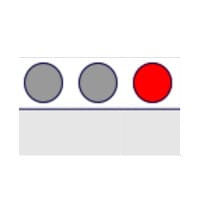
Red light
赤信号(赤色の灯火)
Vehicles must not go past the stop position and pedestrians must not cross. Vehicles already turning inside the intersection may finish the turn, without blocking traffic that has a green light.
-
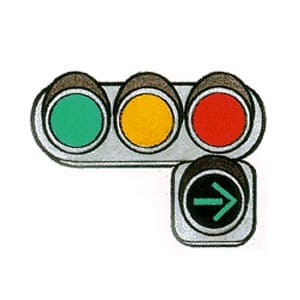
Green arrow
青色の灯火の矢印
Even when the main light is red or yellow, vehicles may go in the direction of the arrow (a right arrow also allows a U-turn). Bicycles and mopeds that must use a two-stage right turn may not follow a right arrow.
-
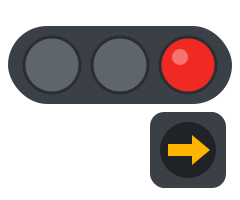
Yellow arrow (streetcars)
黄色の灯火の矢印
This arrow is for streetcars only: a streetcar may go in its direction even on red or yellow. Cars, other vehicles and pedestrians must not proceed on it.
-
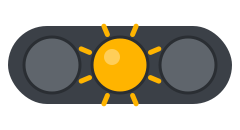
Flashing yellow light
黄色の灯火の点滅
Pedestrians and vehicles may proceed, but must pay attention to other traffic. No stop is required.
-
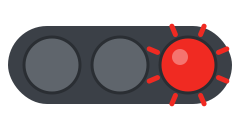
Flashing red light
赤色の灯火の点滅
Vehicles must come to a full stop at the stop position, check safety, then go. Pedestrians may proceed while watching other traffic.
-
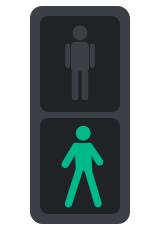
Pedestrian signal: green
歩行者用信号の青(人の形の青色の灯火)
Pedestrians may cross. Vehicles turning across the crossing must give way to them.
-
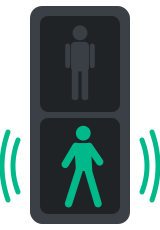
Pedestrian signal: flashing green
歩行者用信号の青の点滅
Do not start crossing. If you are already on the crossing, finish quickly or turn back.
-
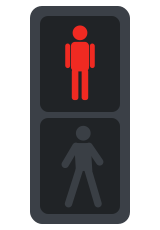
Pedestrian signal: red
歩行者用信号の赤
Pedestrians must not cross the road.
-
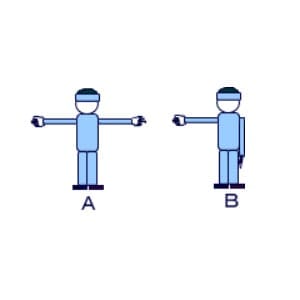
Police officer’s arm signal
警察官の手信号(腕を水平に上げる)
With arm(s) held out level: traffic facing the officer’s front or back must treat it as red; traffic moving in the same direction as the arms may treat it as green. It overrides the traffic light.
Regulatory
-
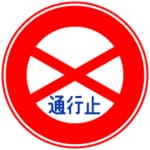
Closed to all
通行止め
The road is closed to all vehicles and pedestrians.
-
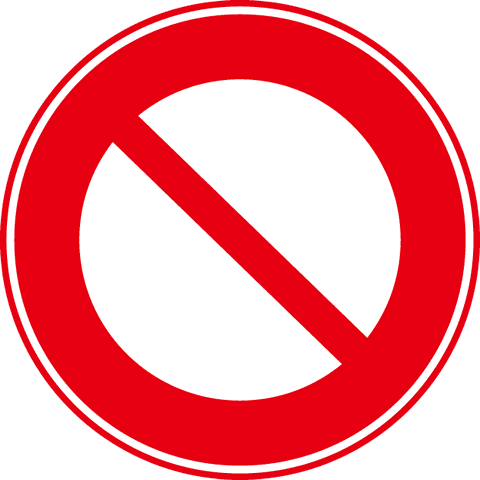
No vehicles
車両通行止め
No vehicles may pass; pedestrians are still allowed.
-
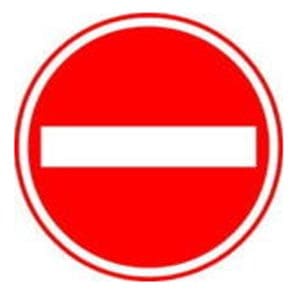
No entry
車両進入禁止
Vehicles may not enter from this direction.
-
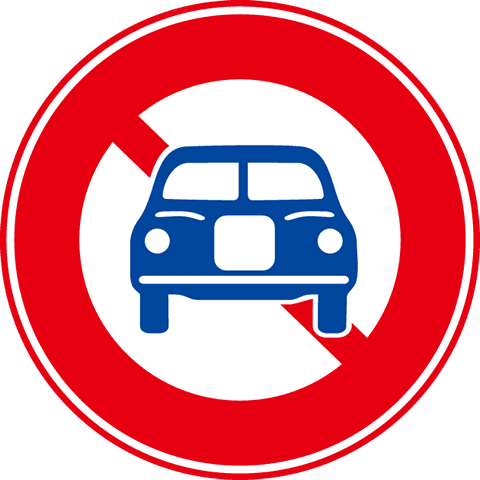
No motor cars
二輪の自動車以外の自動車通行止め
Motor cars may not pass; mopeds may still be allowed.
-
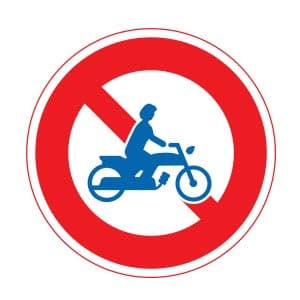
No motorcycles
二輪の自動車・一般原動機付自転車通行止め
Motorcycles and mopeds may not pass.
-
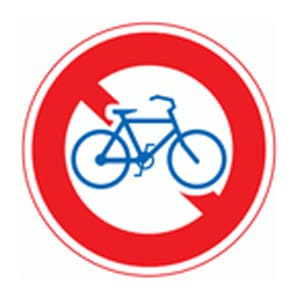
No bicycles or e-scooters
特定小型原動機付自転車・自転車通行止め
Bicycles and specified small motorized bicycles (e-scooters, 特定小型原付) may not pass here.
-
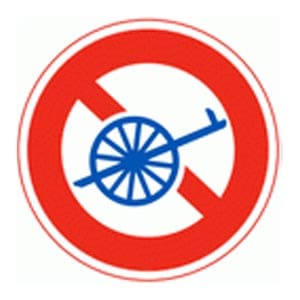
No light vehicles (except bicycles)
自転車以外の軽車両通行止め
Light vehicles such as carts and rickshaws may not pass; bicycles are not covered by this sign.
-
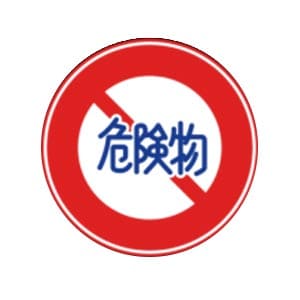
No hazardous-material vehicles
危険物積載車両通行止め
Vehicles carrying hazardous materials (e.g. explosives) may not pass.
-
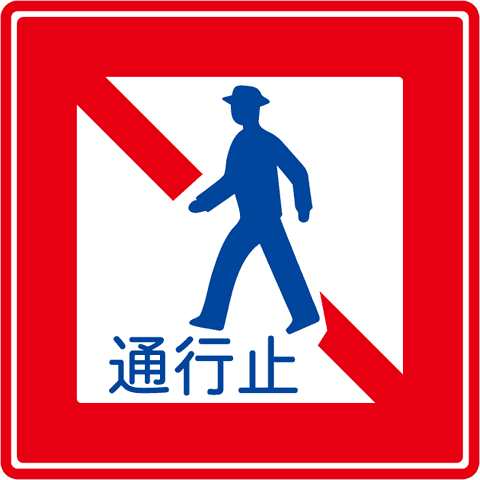
No pedestrians
歩行者等通行止め
Pedestrians may not walk along this road.
-
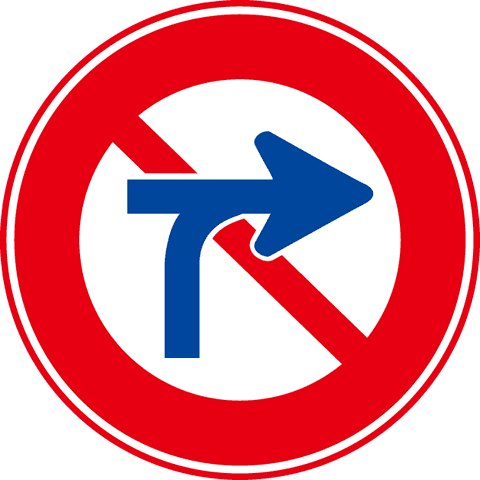
No crossing by vehicles
車両横断禁止
Vehicles may not cut across the road (e.g. turning right into a roadside shop or car park). Crossing by turning left is still allowed.
-
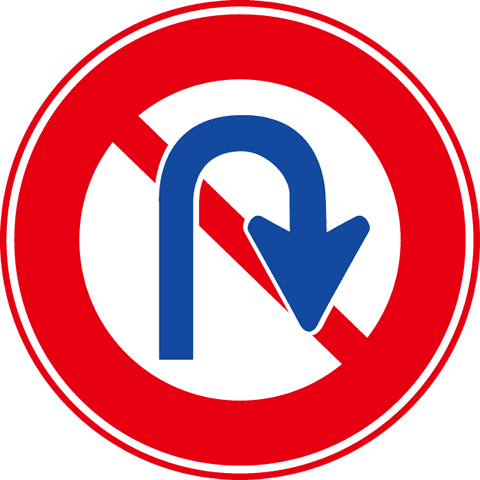
No U-turn
転回禁止
U-turns are prohibited (reversing is not).
-
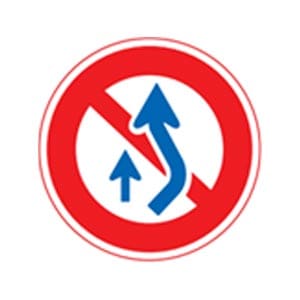
No overtaking by crossing center
追越しのための右側部分はみ出し通行禁止
Overtaking by crossing into the right side of the road is prohibited.
-
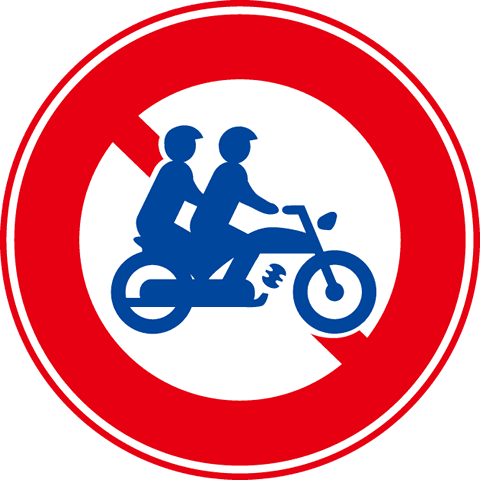
No two-person riding
大型自動二輪車及び普通自動二輪車二人乗り通行禁止
Carrying a passenger on a motorcycle is prohibited here.
-
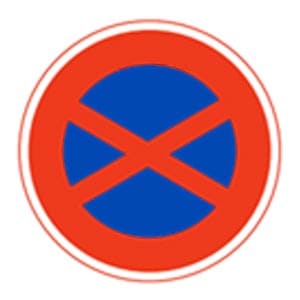
No stopping or parking
駐停車禁止
Both stopping and parking are prohibited here.
-
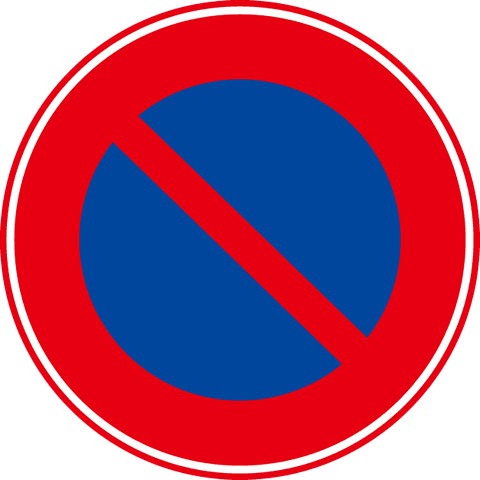
No parking
駐車禁止
Parking is prohibited, but a brief stop may be allowed.
-
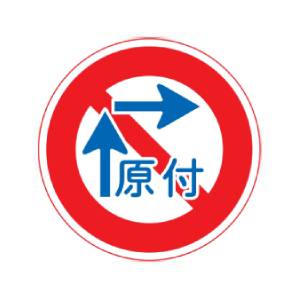
Mopeds: no two-stage right turn
一般原動機付自転車の右折方法(小回り)
Mopeds must turn right like cars, not by the two-stage method.
-
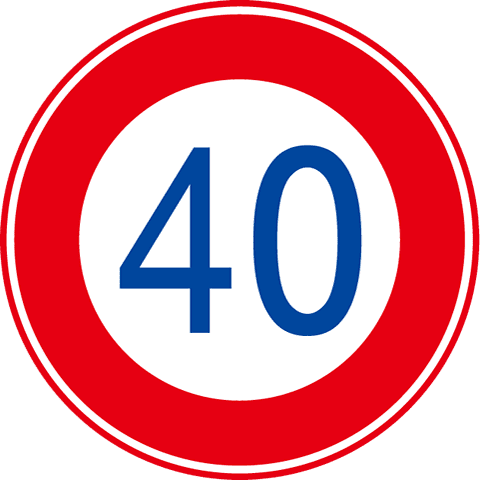
Speed limit 40
最高速度 40km/h
Do not exceed 40 km/h on this road.
-
Speed limit 50
最高速度 50km/h
Do not exceed 50 km/h on this road.
-
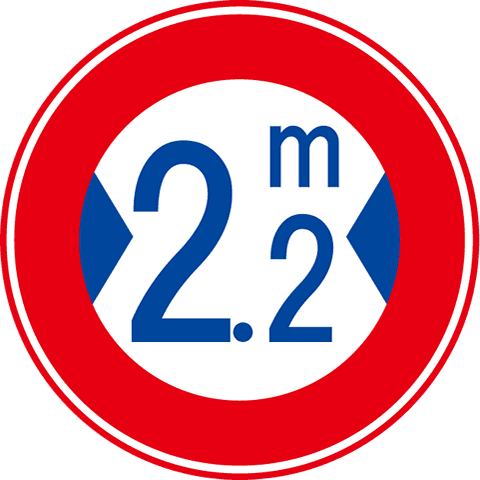
Width limit
最大幅
Vehicles wider than the figure shown may not pass.
-
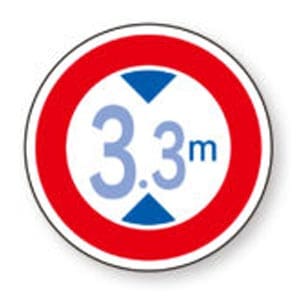
Height limit
高さ制限
Vehicles or loads taller than the figure shown may not pass.
-
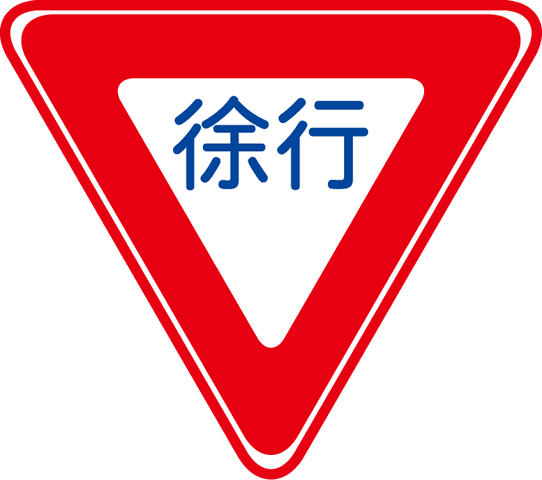
Slow down
徐行
Drive slowly enough to stop immediately if needed.
-
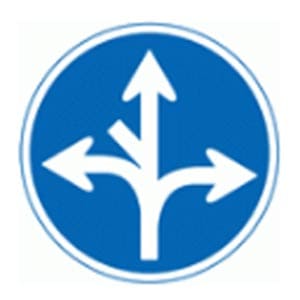
Designated directions only
指定方向外進行禁止
You may proceed only in the directions shown by the arrows.
-
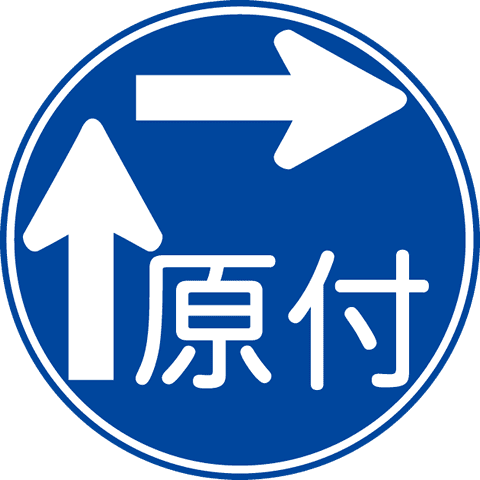
Mopeds: two-stage right turn
一般原動機付自転車の右折方法(二段階)
Mopeds must make a two-stage right turn at the intersection.
-
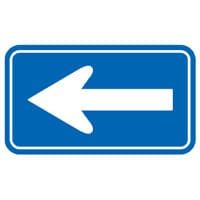
One way
一方通行
Traffic may travel only in the direction of the arrow.
-
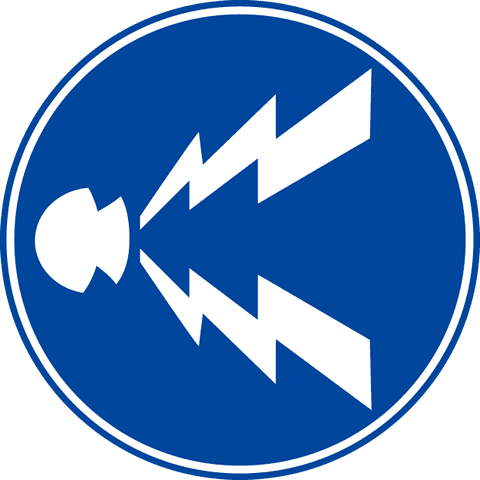
Sound horn
警笛鳴らせ
You must sound your horn when passing this point.
-
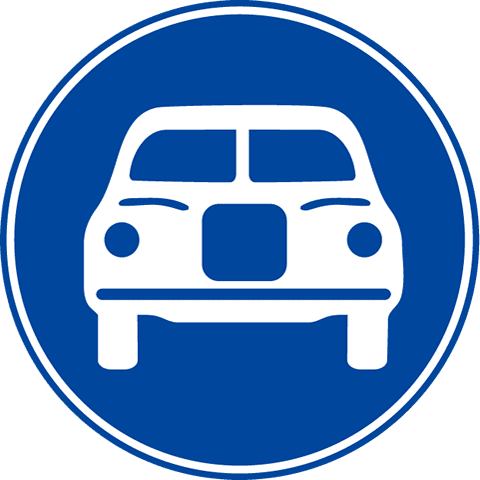
Motor vehicles only
自動車専用
For motor vehicles only; mopeds and pedestrians are not allowed.
-
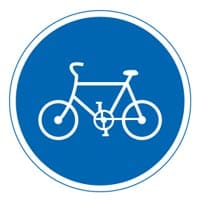
Bicycles and e-scooters only
特定小型原動機付自転車・自転車専用
This road is only for bicycles and specified small motorized bicycles (e-scooters).
-

Pedestrians only
歩行者専用
This road is for pedestrians only.
-
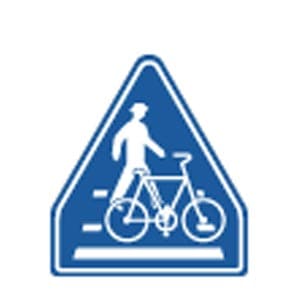
Pedestrians and bicycles only
普通自転車等及び歩行者等専用
This road is for pedestrians and bicycles only.
-
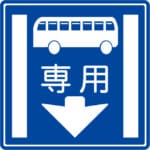
Bus-only lane
専用通行帯
A lane reserved for buses; other vehicles may not use it during regulated hours.
-
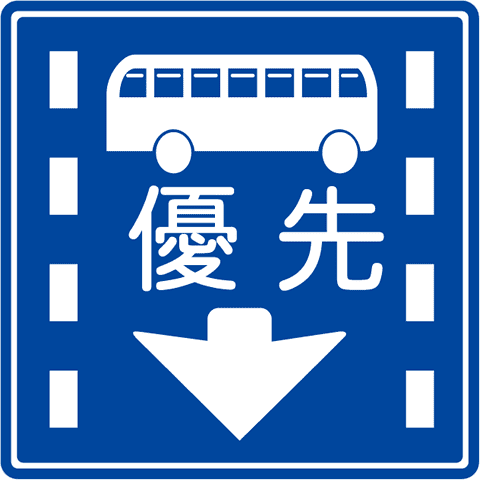
Bus priority lane
路線バス等優先通行帯
A bus priority lane; other vehicles must give way to buses.
-
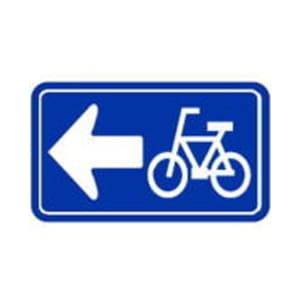
One-way for bicycles and e-scooters
特定小型原動機付自転車・自転車一方通行
Bicycles and specified small motorized bicycles (e-scooters) may travel only in the direction of the arrow.
-
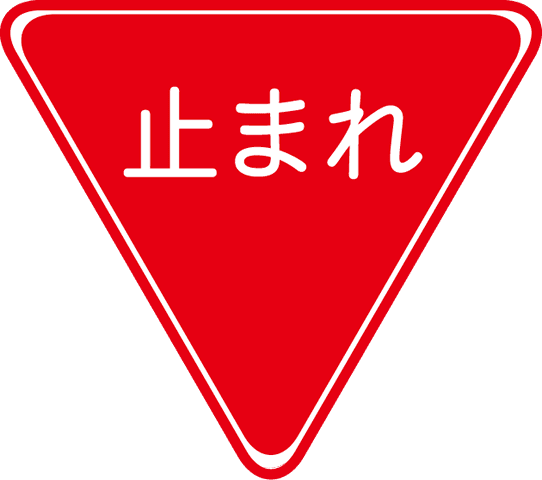
Stop
一時停止(止まれ)
Come to a complete stop just before the stop line (or the intersection if there is no line), check both ways, then go. Give way to traffic on the crossing road.
-
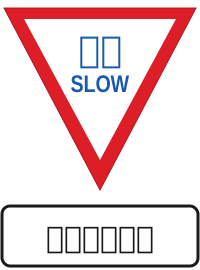
Priority road ahead
前方優先道路
The road you are about to cross or join is a priority road. Slow down (or stop, if the sign is 止まれ) and give way to its traffic.
-
No large trucks
大型貨物自動車等通行止め
Large trucks, specified mid-sized trucks and large special motor vehicles may not use this road.
-
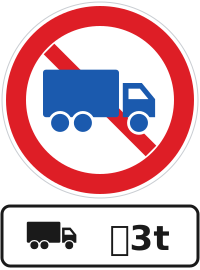
No trucks over the load limit
特定の最大積載量以上の貨物自動車等通行止め
Trucks whose maximum load capacity is at or above the amount on the plate below (e.g. 3 t) may not use this road.
-
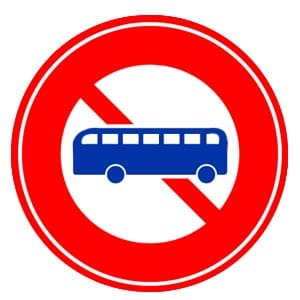
No large buses
大型乗用自動車等通行止め
Large passenger vehicles (buses) and specified mid-sized passenger vehicles may not use this road.
-
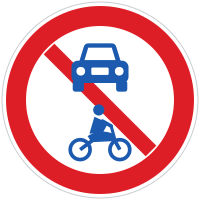
No entry for the vehicles shown
車両(組合せ)通行止め
Only the vehicle types drawn on the sign (here cars and motorcycles) may not use this road; other vehicles may.
-
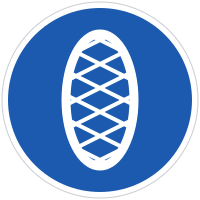
Tire chains required
タイヤチェーンを取り付けていない車両通行止め
Vehicles without tire chains fitted may not use this road (snowy or icy roads).
-
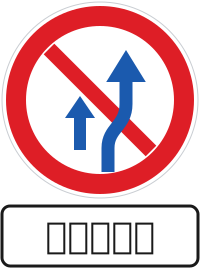
No overtaking
追越し禁止
Overtaking is prohibited altogether — even without moving into the right side of the road. (The sign without the 追越し禁止 plate bans only crossing to the right to overtake.)
-
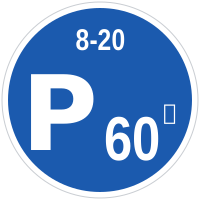
Time-limited parking zone
時間制限駐車区間
You may park here only during the hours shown (e.g. 8–20) and only for the time shown (e.g. 60 minutes), usually using the parking meter or ticket.
-
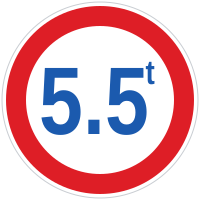
Weight limit
重量制限
Vehicles whose total weight (vehicle, load and people) is over the figure shown (e.g. 5.5 t) may not pass.
-
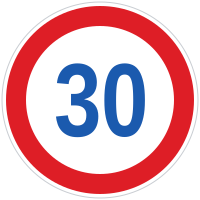
Speed limit 30
最高速度 30km/h
Motor vehicles and streetcars must not exceed 30 km/h on this road.
-
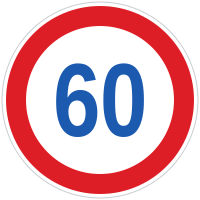
Speed limit 60
最高速度 60km/h
Motor vehicles must not exceed 60 km/h. Mopeds stay limited to 30 km/h even under this sign.
-
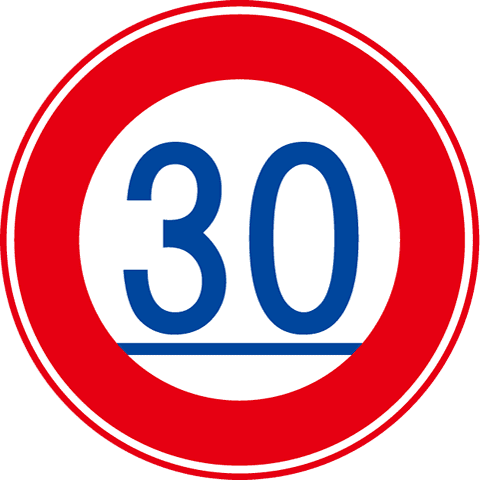
Speed limit for specified vehicles (underlined)
特定の種類の車両の最高速度
A number with a line under it is a speed limit (30 km/h or lower) for mopeds and other specified vehicle types only — not for all traffic.
-
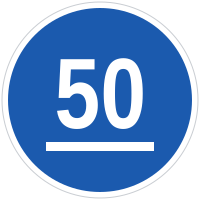
Minimum speed
最低速度
Motor vehicles must not drive slower than the speed shown (unless traffic or safety makes it unavoidable).
-
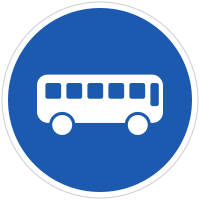
Permitted vehicles only (buses)
許可車両専用(バス)
Marks a vehicle terminal (e.g. a bus terminal) that only buses with the road administrator’s permission may use to stop.
-
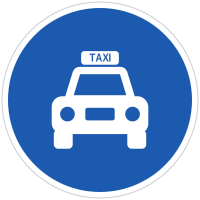
Permitted vehicles only (taxis)
許可車両専用(タクシー)
Marks a vehicle terminal where only taxis with the road administrator’s permission may stop.
-
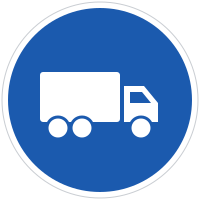
Permitted vehicles only (trucks)
許可車両専用(貨物自動車)
Marks a vehicle terminal where only trucks with the road administrator’s permission may stop.
-
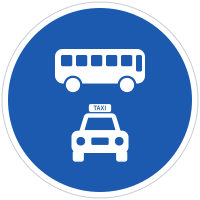
Permitted vehicles only (types shown)
許可車両(組合せ)専用
Marks a vehicle terminal where only the vehicle types drawn (e.g. buses and taxis) with the road administrator’s permission may stop.
-
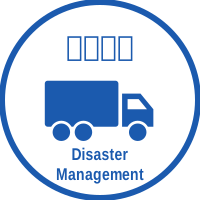
Disaster-response vehicles only
広域災害応急対策車両専用
During a large-scale disaster, only vehicles the road administrator recognises as needed for emergency response may use this road; other vehicles and people may not.
-
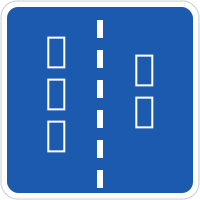
Lanes by vehicle type
車両通行区分
Shows which part of the road each type of vehicle must use (e.g. light vehicles and two-wheelers in the left lane).
-
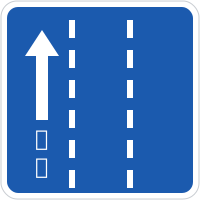
Lane for a specified vehicle type
特定の種類の車両の通行区分
The vehicle type shown (e.g. large trucks, 大貨) must drive in the lane marked by the arrow.
-
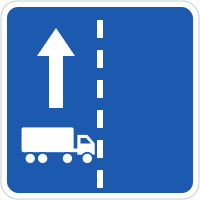
Towing vehicles: expressway lane
牽引自動車の高速自動車国道通行区分
On the main lanes of a national expressway, vehicles towing a vehicle of over 750 kg gross weight must use the lane shown.
-
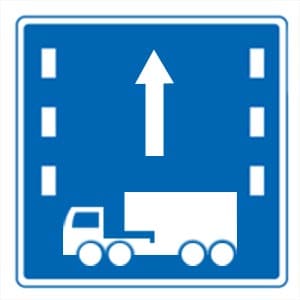
Towing vehicles: keep to the leftmost lane
牽引自動車の自動車専用道路第一通行帯通行指定区間
On this section of a limited-access motorway, vehicles towing a vehicle of over 750 kg gross weight must use the leftmost lane.
-
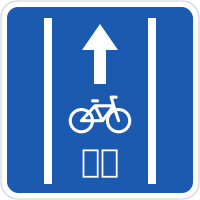
Bicycle-only lane
普通自転車専用通行帯
This lane is reserved for standard bicycles; cars and other vehicles must not drive in it.
-
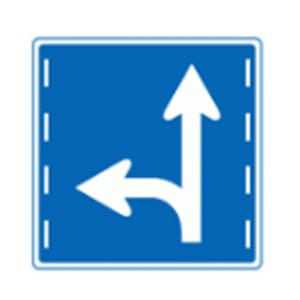
Lanes by direction
進行方向別通行区分
At the intersection ahead, each lane is for the direction shown by its arrow; move into the right lane in good time and follow it.
-
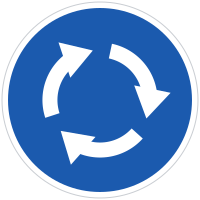
Roundabout (go clockwise)
環状の交差点における右回り通行
This is a roundabout: drive around it clockwise. Vehicles already in the ring have priority, and you signal left when leaving.
-
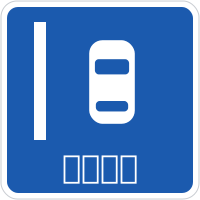
Parallel parking
平行駐車
When parking here, park parallel to the edge of the road.
-
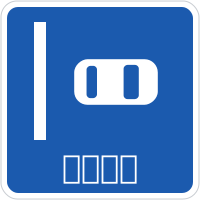
Perpendicular parking
直角駐車
When parking here, park at a right angle to the edge of the road.
-
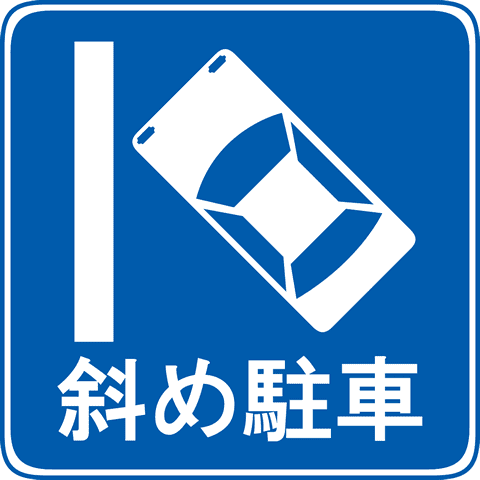
Angle parking
斜め駐車
When parking here, park at an angle to the edge of the road.
-
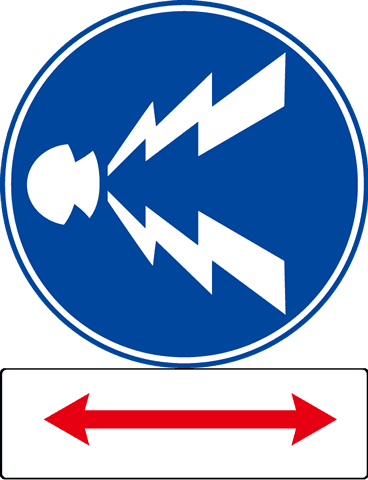
Horn section
警笛区間
Within this section, sound your horn at blind intersections, blind curves and blind hilltops.
-
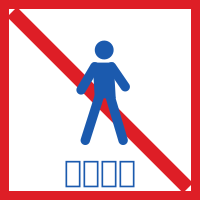
No pedestrian crossing
歩行者等横断禁止
Pedestrians (and small remote-controlled robots) may not cross the road here.
-
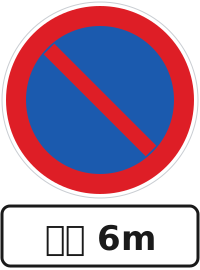
Parking space required (right side)
駐車余地
You may not park unless you leave at least the distance shown (e.g. 6 m) free on the right side of your parked vehicle.
Instruction
-
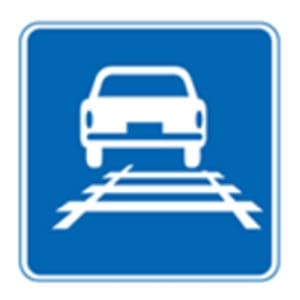
Driving on tramway allowed
軌道敷内通行可
Motor vehicles may drive within the tramway/track section.
-
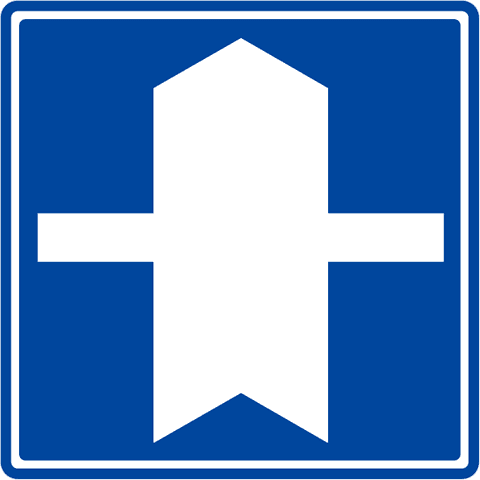
Priority road
優先道路
You are on the priority road at the intersections ahead.
-
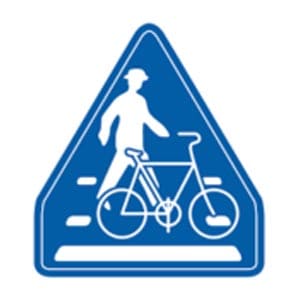
Pedestrian/bicycle crossing
横断歩道・自転車横断帯
A pedestrian crosswalk or bicycle crossing is ahead.
-
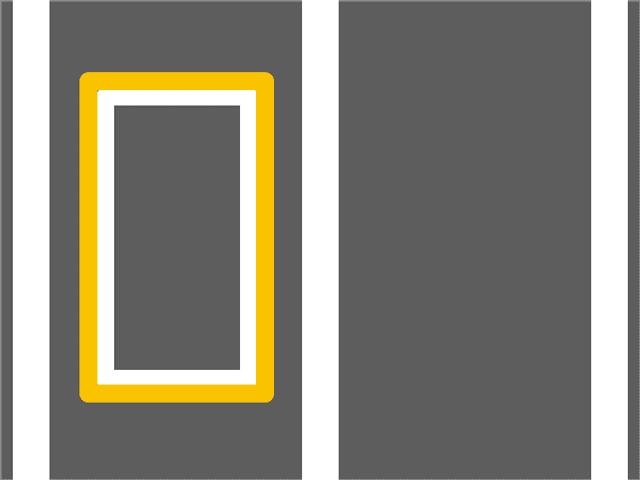
Safety zone
安全地帯
A safety zone for pedestrians; vehicles may not enter it.
-
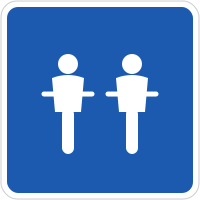
Riding side by side allowed
並進可
Two standard bicycles may ride side by side here (normally this is not allowed).
-
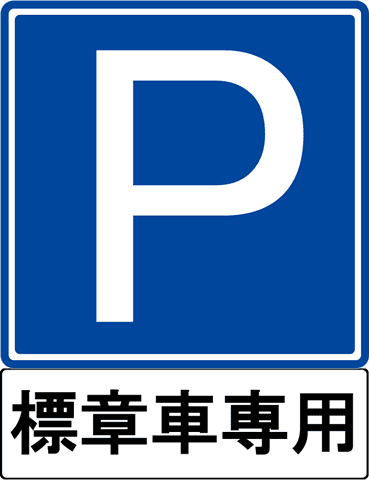
Parking for permit-holder vehicles
高齢運転者等標章自動車駐車可
Only vehicles showing the special permit (標章) issued to elderly, disabled, pregnant and similar drivers may park here.
-
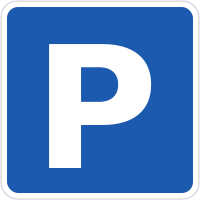
Parking allowed
駐車可
Vehicles may park here.
-
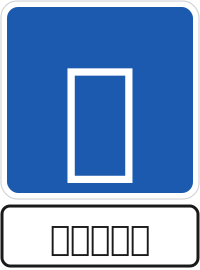
Stopping for permit-holder vehicles
高齢運転者等標章自動車停車可
Only vehicles showing the special permit (標章) for elderly, disabled and similar drivers may stop here.
-
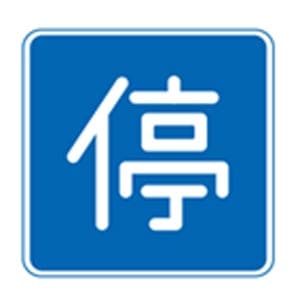
Stopping allowed
停車可
Vehicles may stop here (briefly, e.g. to let people on or off) — this does not allow parking.
-
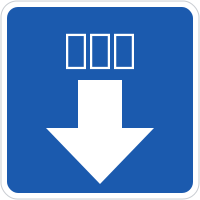
Center line
中央線
Shows that the line (or point) below the sign is the center of the road. Keep to the left of it.
-
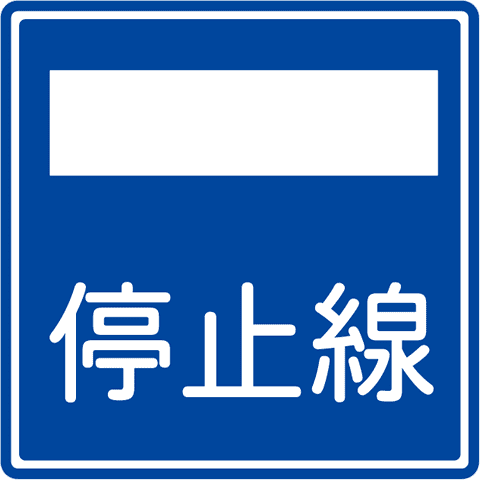
Stop line
停止線
Shows where vehicles must stop when they have to stop (red light, stop sign, police signal).
-
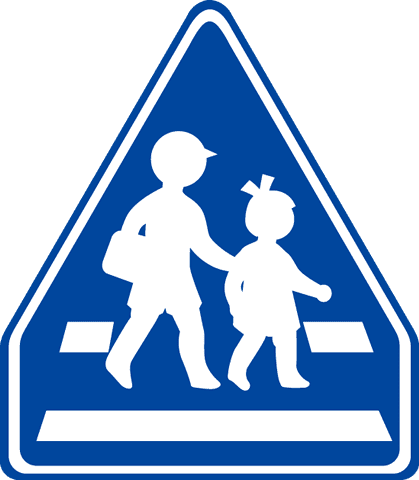
Pedestrian crossing
横断歩道
Shows that there is a pedestrian crossing here. Be ready to stop for anyone crossing or about to cross.
-
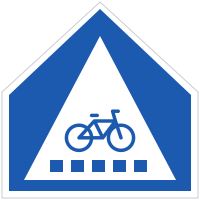
Bicycle crossing
自転車横断帯
Shows that there is a bicycle crossing lane here; bicycles crossing the road should use it.
-
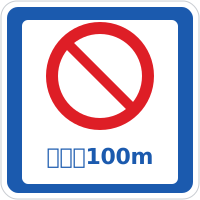
Advance notice of regulation
規制予告
Warns in advance that the regulation shown on the board (e.g. no vehicles) applies from a point ahead (e.g. in 100 m).
Warning
-
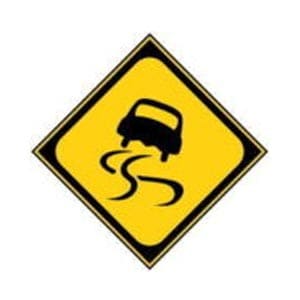
Slippery road
すべりやすい
The road may be slippery; drive with care.
-
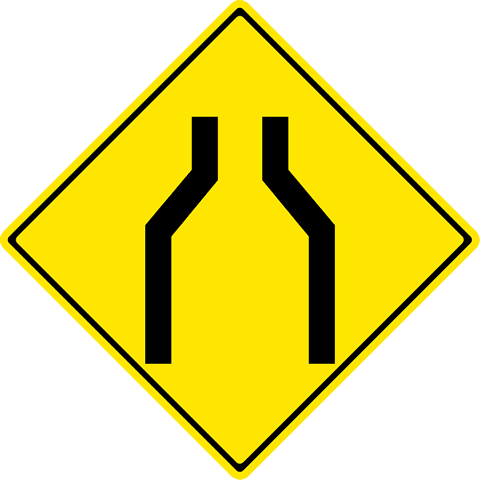
Road narrows
幅員減少
The road width decreases ahead.
-
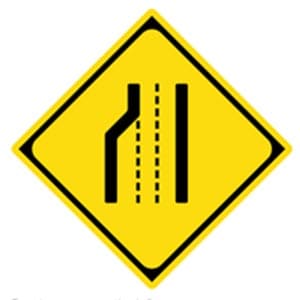
Lane reduction
車線数減少
The number of lanes decreases ahead; merge safely.
-
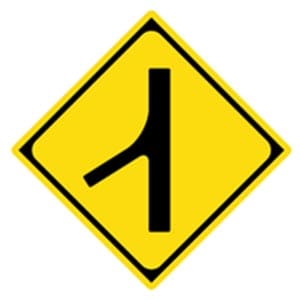
Merging traffic
合流交通あり
Watch for traffic merging from the side.
-
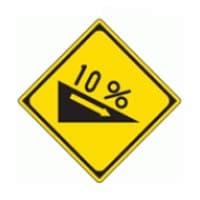
Steep descent
下り急勾配あり
A steep downhill grade is ahead; control your speed.
-
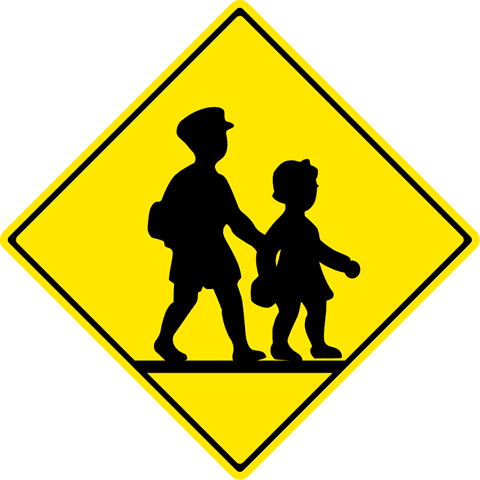
School zone
学校、幼稚園、保育所等あり
A school or kindergarten is nearby; watch for children.
-
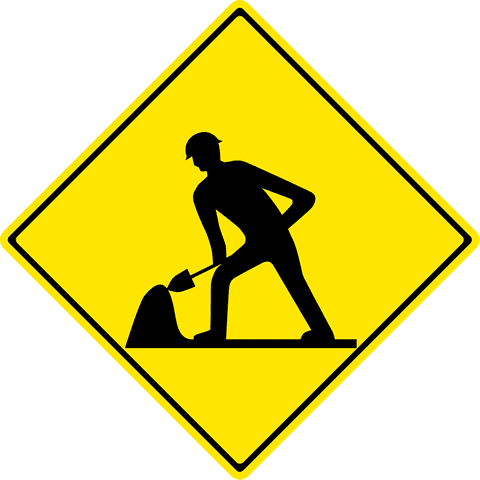
Road works
道路工事中
Construction work is ahead on the road.
-
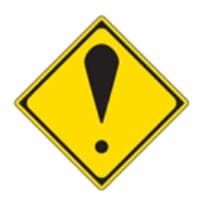
Other danger
その他の危険
Some other (unspecified) hazard is ahead; drive carefully.
-
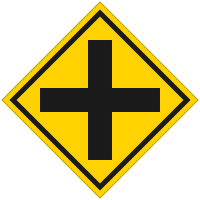
Crossroads ahead
十形道路交差点あり
A crossroads (+-shaped intersection) is ahead. Slow down and watch for crossing traffic.
-
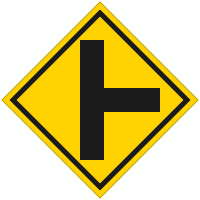
Side road ahead (ト-shaped)
ト形道路交差点あり
A side road joins from one side ahead (ト-shaped junction). Watch for vehicles coming out of it.
-
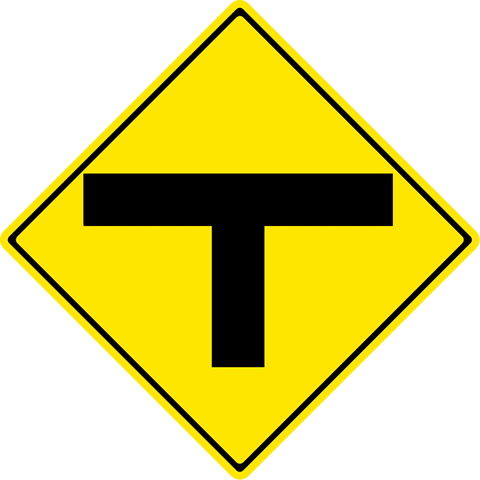
T-junction ahead
T形道路交差点あり
The road ends at a T-junction ahead; you will have to turn left or right.
-
Y-junction ahead
Y形道路交差点あり
The road splits into a Y-shaped junction ahead. Choose your branch early and watch for other traffic.
-
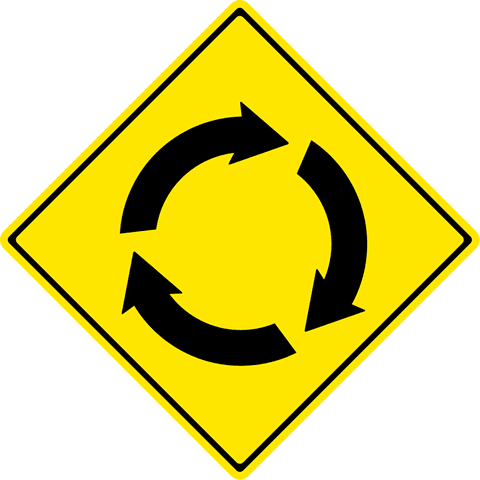
Roundabout ahead
ロータリーあり
A roundabout (rotary) is ahead. Slow down and be ready to go around it.
-
Curve to the right
右方屈曲あり
The road curves to the right ahead (a left-hand version also exists). Slow down before the curve.
-
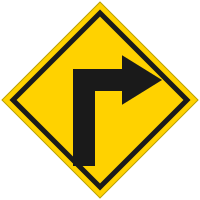
Sharp bend to the right
右方屈折あり
The road turns sharply (almost a right angle) to the right ahead. Slow down well before it.
-
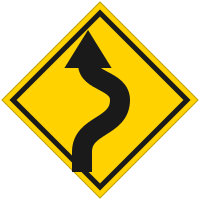
Double curve (first to the right)
右方背向屈曲あり
Two curves in opposite directions ahead, the first to the right. Keep your speed low through both.
-
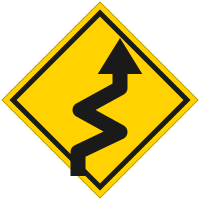
Winding road
右つづら折りあり
A series of zigzag curves (the first to the right) is ahead, as on mountain roads. Drive slowly and keep left.
-
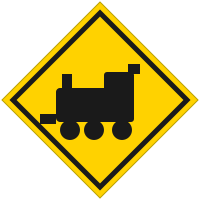
Railway crossing ahead
踏切あり
A railway level crossing is ahead. You must stop just before it, check with eyes and ears, then cross (unless a signal tells you to go).
-
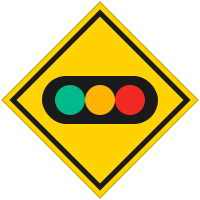
Traffic lights ahead
信号機あり
There are traffic lights ahead that may be hard to see in advance. Be ready to stop.
-
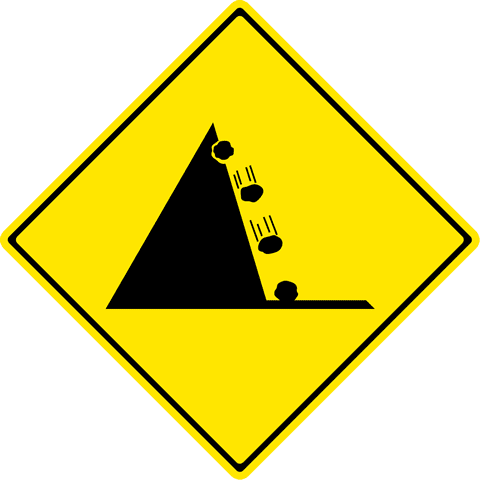
Falling rocks
落石のおそれあり
Rocks may fall onto the road ahead. Watch the road surface and slopes, and do not stop needlessly.
-
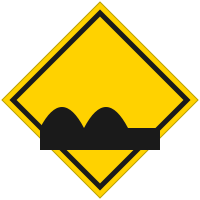
Uneven road surface
路面凹凸あり
The road surface ahead is bumpy or uneven. Slow down to keep control.
-
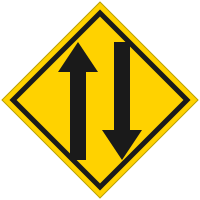
Two-way traffic
二方向交通
Ahead, traffic runs in both directions (e.g. after a one-way section). Watch for oncoming vehicles.
-
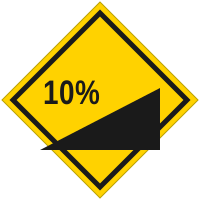
Steep climb
上り急勾配あり
A steep uphill grade (the % shows how steep) is ahead. Use a suitable gear and keep a safe distance.
-
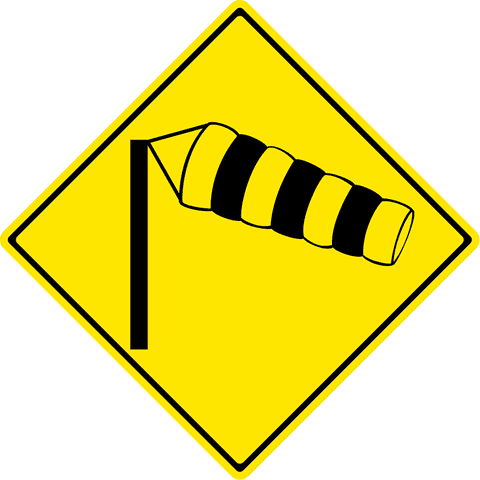
Crosswind
横風注意
Strong side winds may blow here (bridges, tunnel exits). Hold the steering firmly and slow down.
-
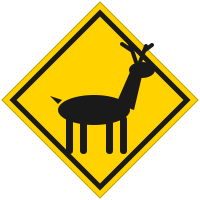
Animals may cross
動物が飛び出すおそれあり
Wild animals such as deer may run out onto the road. Slow down, especially at dawn, dusk and night.
Guide
-
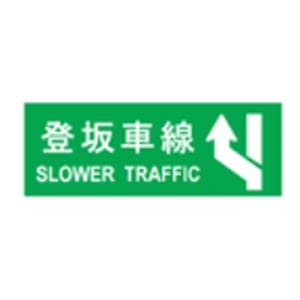
Climbing lane
登坂車線
A lane for slow vehicles to keep right so faster traffic can pass.
-
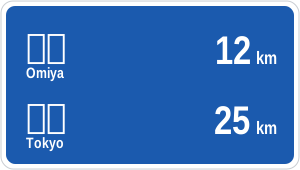
Destinations and distances
方面及び距離
Lists the places this road leads to and how many kilometres away they are.
-
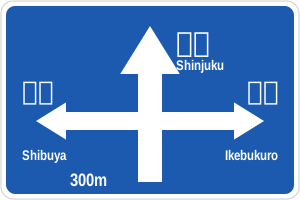
Advance direction sign
方面及び方向の予告
Before an intersection, shows which way each place lies (straight, left or right) and how far the intersection is.
-
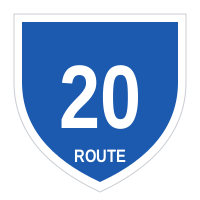
National route number
国道番号
The blue inverted-shield sign shows the number of the national route (国道) you are on or heading for.
-
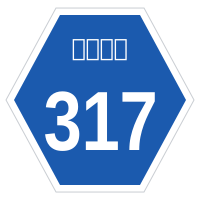
Prefectural road number
都道府県道番号
The hexagon sign shows the number of a prefectural road (都道府県道), with the prefecture’s name.
-
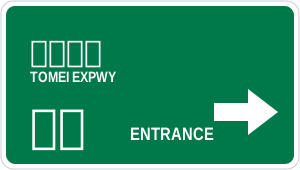
Expressway entrance
入口の方向
Green expressway sign showing the direction of the entrance (入口) to the expressway named on it.
-
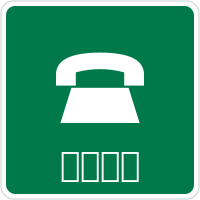
Emergency telephone
非常電話
Shows where an emergency telephone is (common on expressways and in tunnels) for reporting accidents or breakdowns.
-
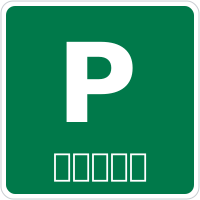
Emergency parking bay
非常駐車帯
Shows a bay where you may stop only in an emergency, such as a breakdown (common on expressways and in tunnels).
-
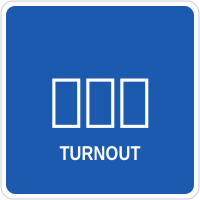
Passing place (turnout)
待避所
On narrow roads, shows a widened spot where you can pull in to let oncoming vehicles pass.
-
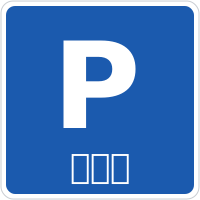
Parking lot
駐車場
Guide sign showing that a parking lot is here or in the direction shown. Do not confuse it with 駐車可 (parking allowed on the road).
-
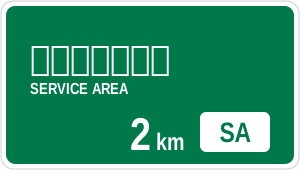
Service area
サービス・エリア
Green expressway sign showing the distance to the next service area (SA), where you can rest, refuel and eat.
Auxiliary
-
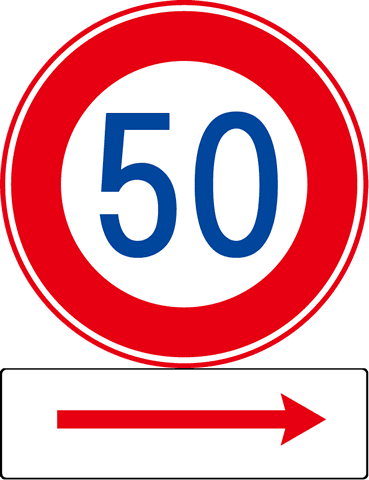
Start of the regulation
始まり
A plate under a regulatory sign (an arrow or ここから): the regulation starts here and applies in the direction of the arrow.
-
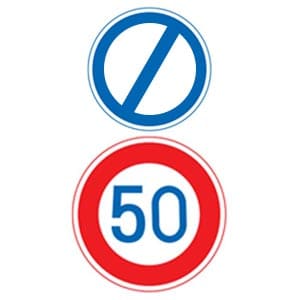
End of the regulation
終わり
Shown with a regulatory sign (a slashed blue circle, an arrow pointing back, or ここまで): the regulation on the main sign ends here.
-
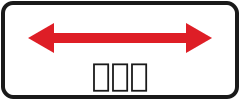
Within this section
区間内
Shows that you are inside the section where the main sign applies (the double arrow means it continues both ways).
-
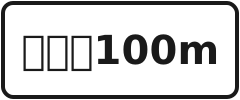
Distance / area
距離・区域
Shows how far ahead (e.g. 100 m) or over what area the main sign applies.
-
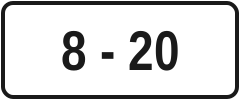
Days / hours
日・時間
The main sign applies only on the days or during the hours shown (e.g. 8–20 = from 8:00 to 20:00).
-
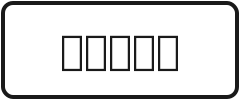
Vehicle type
車両の種類
Shows which vehicles the main sign applies to, or which are excluded (e.g. 二輪を除く = except two-wheelers).
-
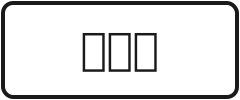
School route
通学路
Marks a route children use to walk to and from school — drive slowly and watch for them, especially in the morning and afternoon.
Road marking
-
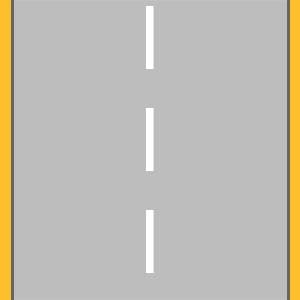
Dashed line — overtaking allowed
追越し可(破線の中央線)
A dashed center line means overtaking is permitted when safe.
-
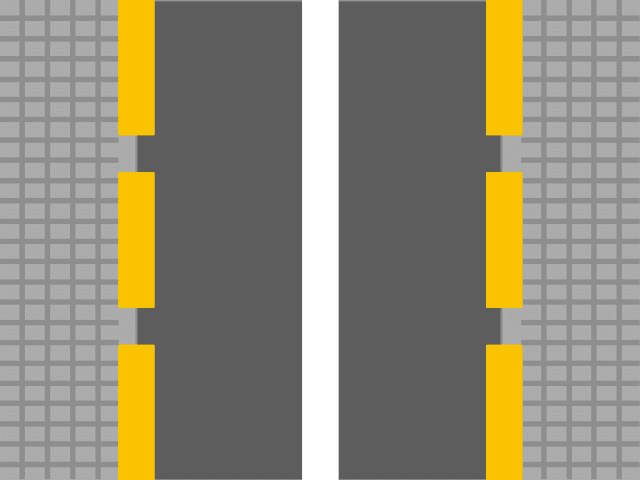
Yellow edge line — no stopping
駐停車禁止(黄色の路側帯線)
A solid yellow line at the road edge means no stopping or parking.
-
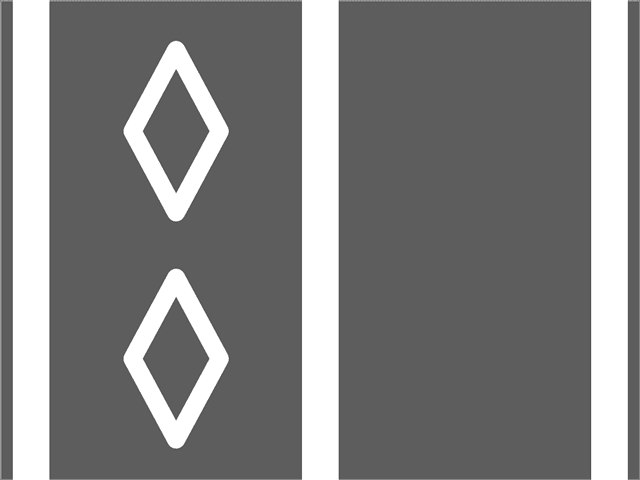
Diamond mark — crossing ahead
ひし形標示(横断歩道等あり)
Diamond markings on the road warn of a pedestrian or bicycle crossing ahead.
-
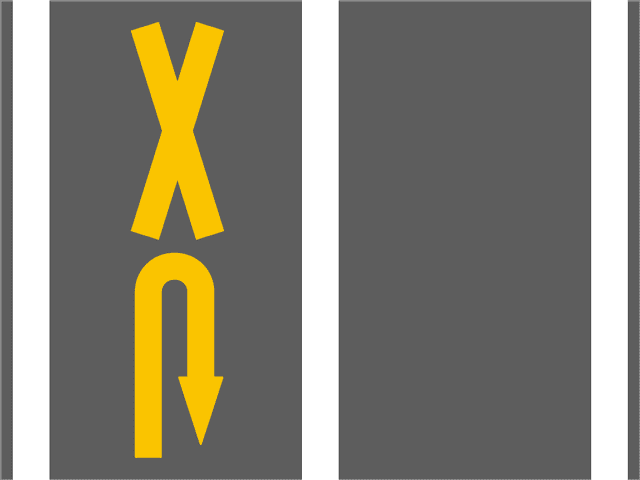
Keep-clear (no stopping) area
停止禁止部分
You must not stop inside the area marked with the yellow X.
-

No-entry zone marking
立入り禁止部分
Vehicles may not enter the area marked with diagonal stripes.
-
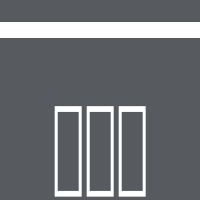
“Stop” painted on the road
一時停止の標示(止まれ)
止まれ painted with a stop line: stop completely at the line, the same as the stop sign.
-
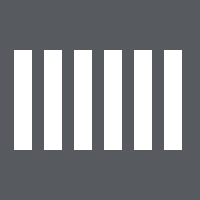
Pedestrian crossing (road marking)
横断歩道(標示)
White stripes across the road mark a pedestrian crossing. Slow down, stop for anyone crossing or about to cross, and never overtake just before it.
-
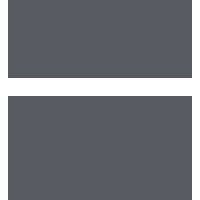
Stop line (road marking)
停止線(標示)
A thick white line across your lane: where you must stop for a red light, a stop sign or a police signal.
-
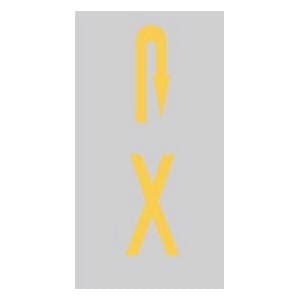
No U-turn (road marking)
転回禁止(標示)
A yellow U-turn arrow with an X painted on the road: U-turns are prohibited here (sometimes only during the hours painted with it).
-
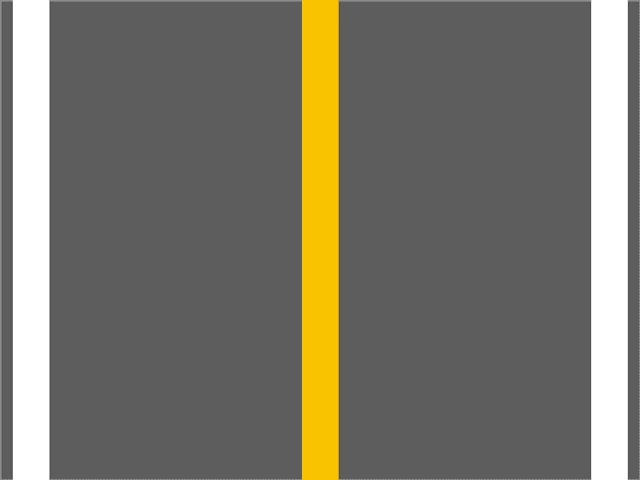
Yellow center line
追越しのための右側部分はみ出し通行禁止(黄色の中央線)
A solid yellow center line: you must not cross into the right side of the road to overtake.
-
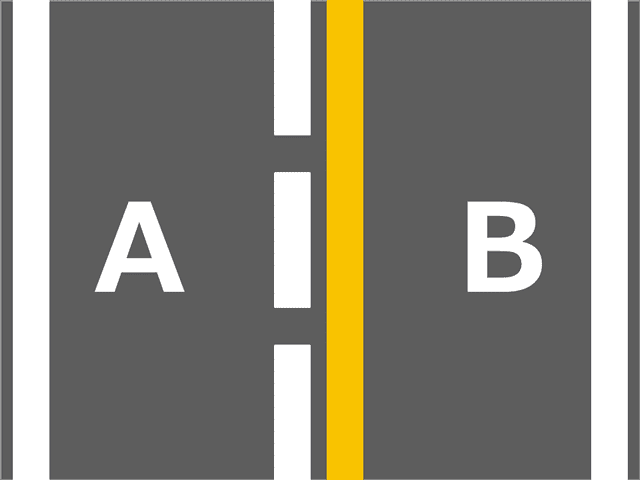
No lane change (yellow lane line)
進路変更禁止
A yellow line between lanes: vehicles must not cross it to change lanes. (If it is yellow on one side and white dashed on the other, only the white side may cross.)
-
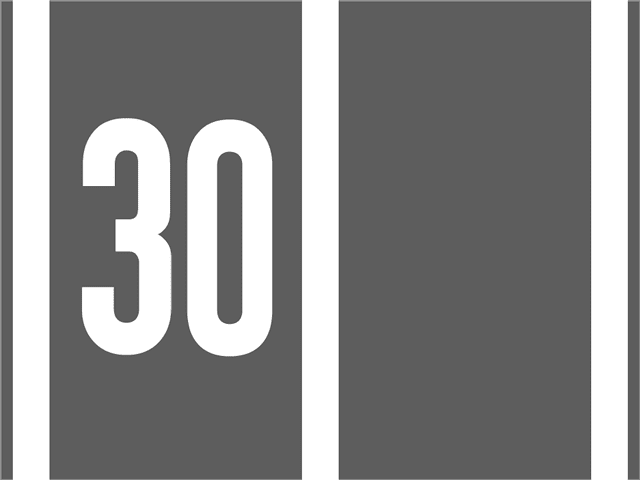
Speed limit painted on the road
最高速度(標示)
A number painted on the road is the maximum speed (km/h) for that road or lane.
-
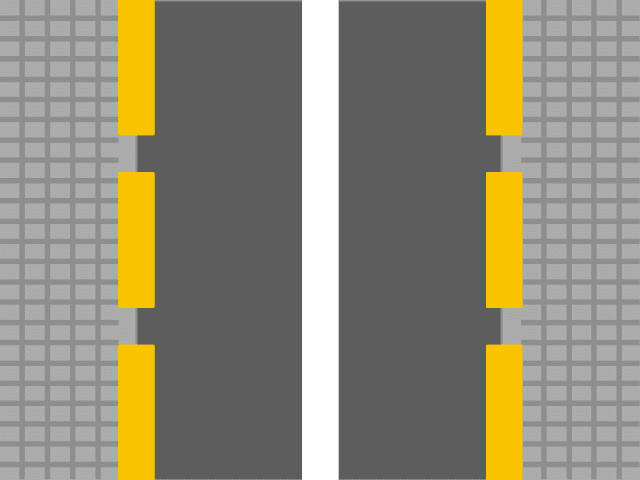
Yellow broken edge line — no parking
駐車禁止(黄色の破線)
A broken yellow line at the road edge: no parking, but a brief stop is allowed. (A solid yellow line means no stopping either.)
-
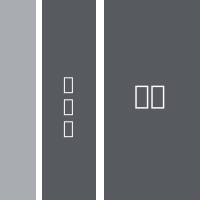
Roadside strip (one white line)
路側帯
A strip for pedestrians (and bicycles) outside one solid white line. You may stop or park in it only if it is wider than 0.75 m, leaving at least 0.75 m on the left.
-
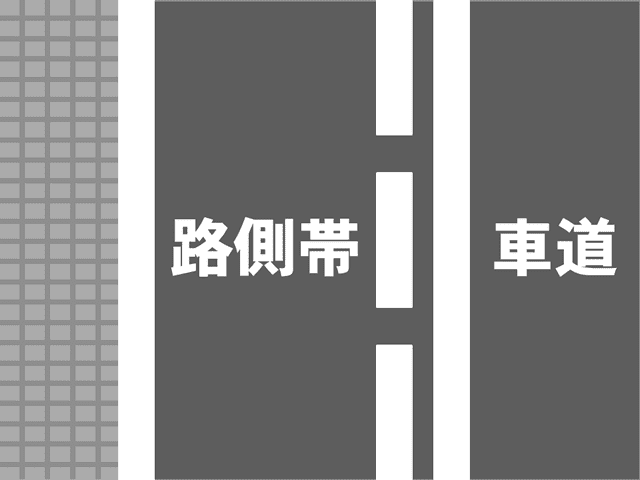
No-stopping roadside strip (solid + broken line)
駐停車禁止路側帯
A roadside strip marked by a solid and a broken white line: vehicles must not enter it to stop or park.
-
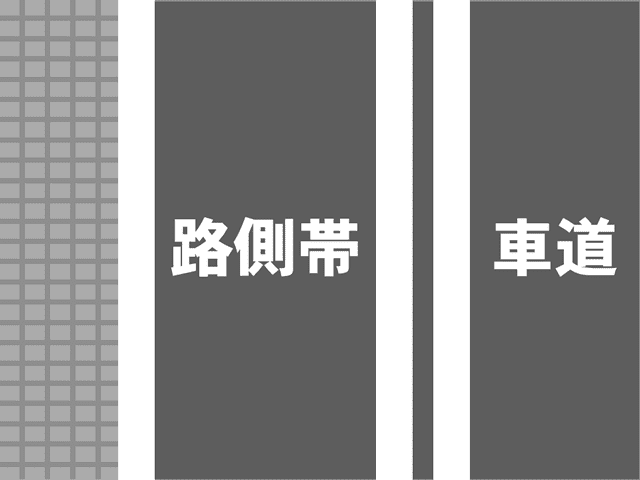
Pedestrian-only roadside strip (two solid lines)
歩行者用路側帯
A roadside strip marked by two solid white lines is for pedestrians only: vehicles may not stop or park in it, and bicycles may not ride in it.
-
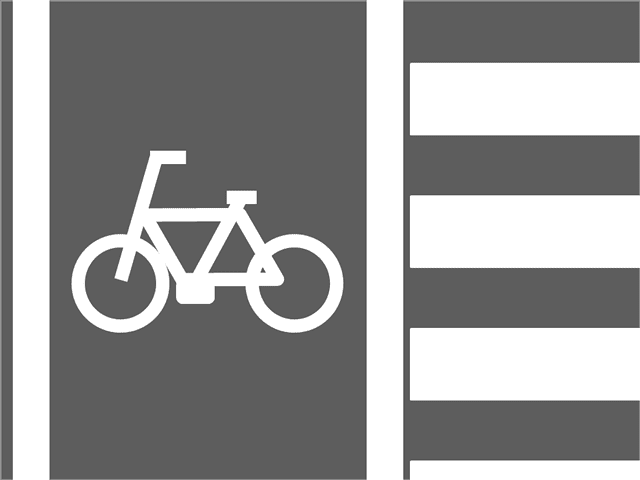
Bicycle crossing (road marking)
自転車横断帯(標示)
Marks the lane where bicycles cross the road. Drivers must watch for and give way to crossing cyclists.
-
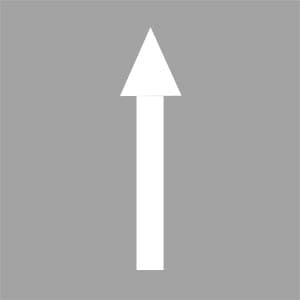
Lane direction arrow (road marking)
進行方向別通行区分(標示)
An arrow painted in a lane shows the only direction that lane may take at the intersection ahead (here: straight on).
-
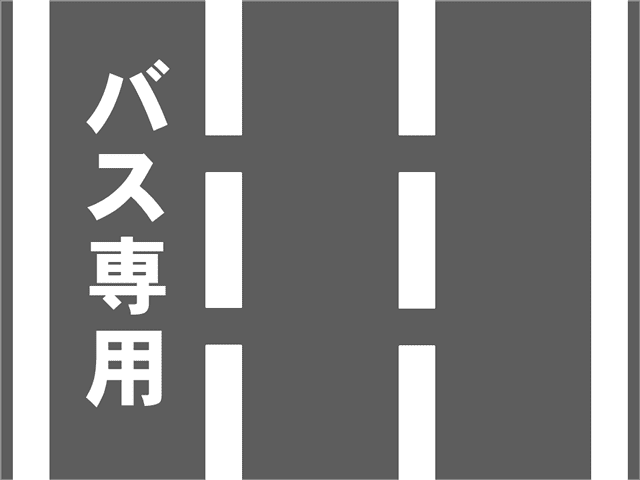
Bus-only lane (road marking)
専用通行帯(標示)
バス専用 painted on a lane: during the hours set by the sign, cars may not use it except to turn left or when unavoidable (mopeds, small special vehicles and light vehicles may).
-
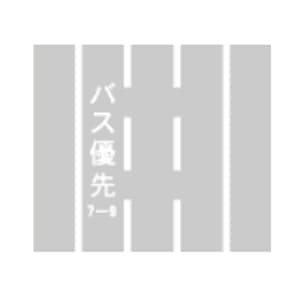
Bus priority lane (road marking)
路線バス等優先通行帯(標示)
バス優先 with hours painted on a lane: other vehicles may drive in it, but must move out promptly when a route bus approaches (and should not enter if they could not).
-
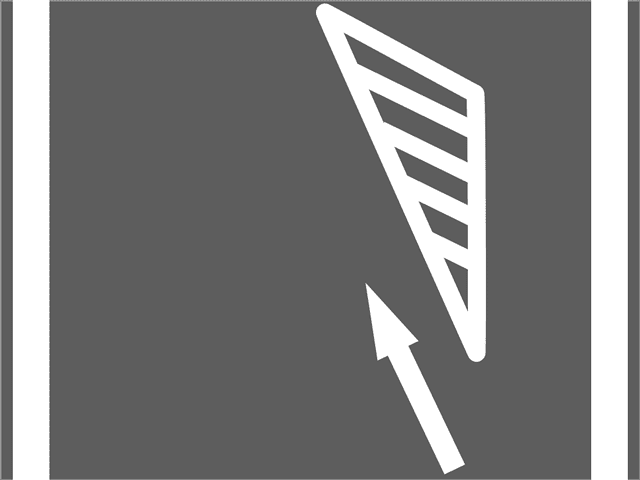
Channelizing zone (zebra hatching)
導流帯
White hatched area that guides vehicles along a safe, smooth path; avoid driving over it as far as possible.
-

Priority road ahead (road marking)
前方優先道路(標示)
A triangle painted in your lane: the road you are about to cross is a priority road; slow down and give way to its traffic.
Practise in the app
Practise these signs in the app: choose the meaning, choose the sign, and difference cards for look-alike signs.